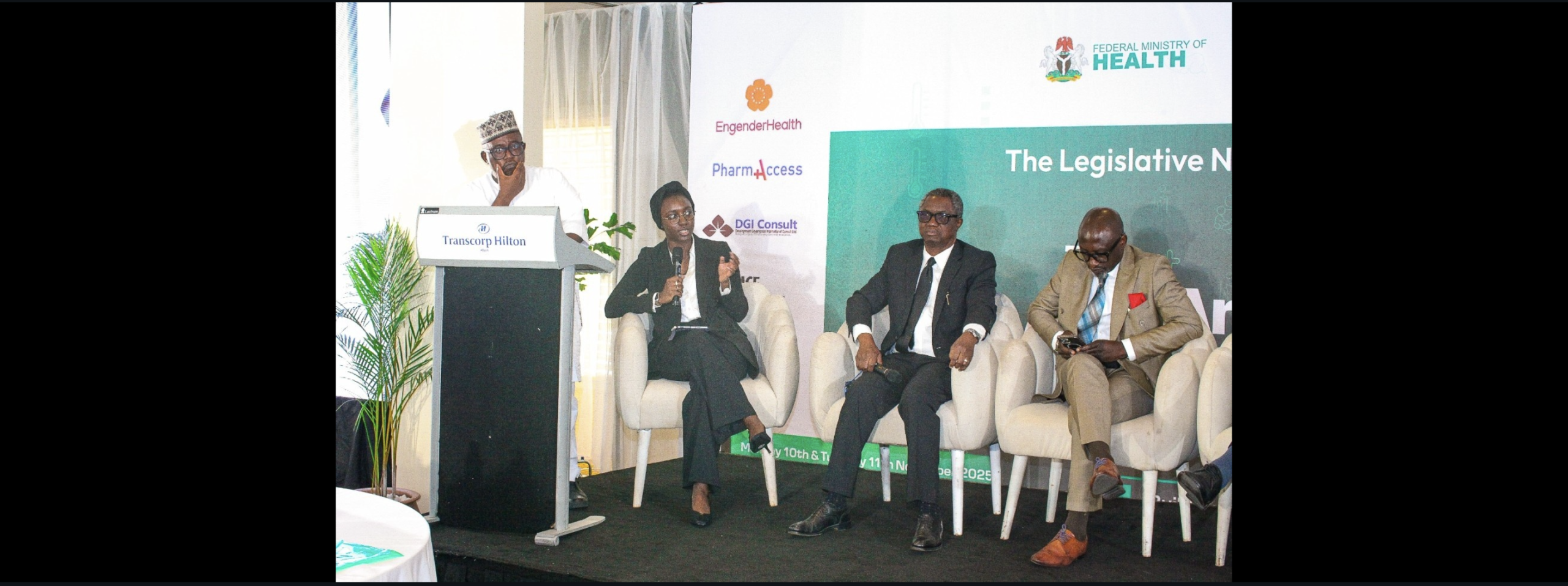
I was invited to speak at the 6th Annual Legislative Summit on Health in Abuja, as a panelist on Building a Digital-First Health Workforce. The session brought together legislators, senior government officials, and international health partners to discuss workforce planning, digital systems, and service delivery across Nigeria’s health system.
I brought an inclusive design and digital literacy lens into a conversation largely centred on policy instruments, infrastructure, and clinical capacity. What stayed with me most was how closely workforce distribution, data reliability, and everyday realities at primary healthcare level are intertwined.

Equitable workforce distribution is essential for Universal Health Coverage, and it depends on reliable data. In theory, digital HR systems and workforce analytics can guide better deployment by showing who is working where, what skills are available, and where gaps exist. In practice, that potential often breaks down much earlier than expected.
As discussions moved between platforms, planning tools, and national dashboards, I kept returning to the point of data collection. Many frontline health workers are already overstretched, operating within task-shifting arrangements and navigating multiple reporting requirements. When digital systems do not reflect those realities, reporting begins to feel like compliance rather than support. This has direct consequences for data quality, trust, and ultimately for the decisions made using that data.
Nigeria already has important digital health building blocks in place, including DHIS2 and the wider NHMIS ecosystem. What became clear to me is that the next opportunity lies less in adding more systems or more sophistication, and more in strengthening the foundations these systems rely on. Usability, interoperability, human capability, and trust are not secondary considerations; they are prerequisites for meaningful use of data intelligence.
I was also struck by how task-shifting complicates workforce data in ways that are not always acknowledged. When roles are expanded out of necessity, but responsibilities are not consistently understood or documented, workforce systems can easily misrepresent reality. Any digital approach to workforce planning needs to account for this context, rather than assume stable roles and ideal conditions.
Where my thinking landed is a principle I have seen repeatedly across sectors: digital-first only works when it is human-first. Systems that work for the most constrained users and settings are the ones that scale sustainably. Without this, even well-intentioned digital reforms risk reinforcing the inequities they aim to solve.
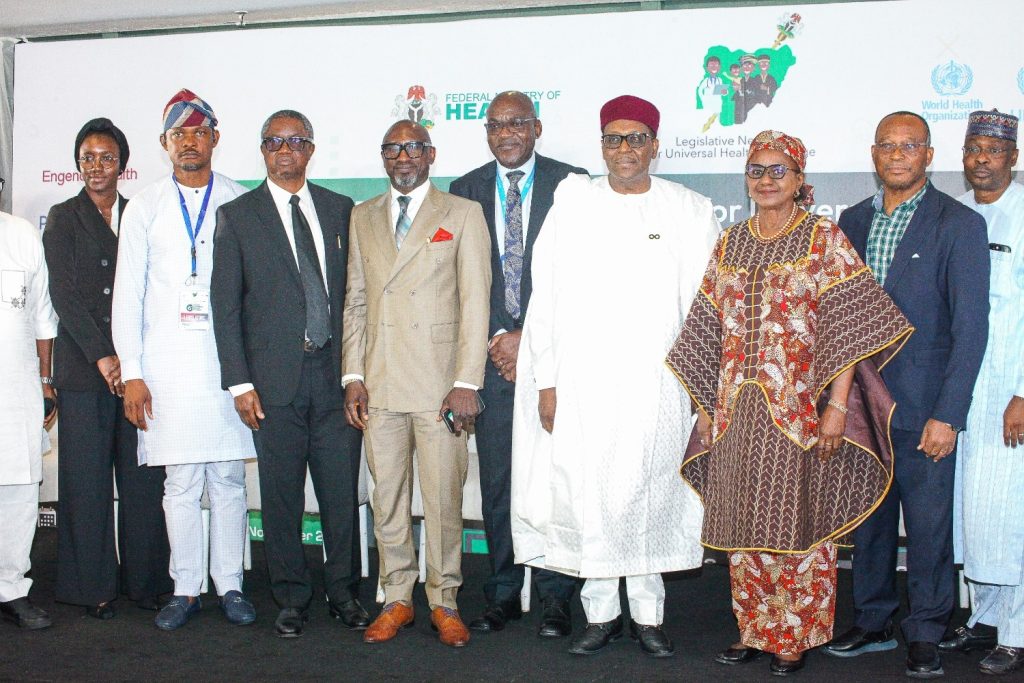
I was glad to contribute a human-centred governance perspective to this national conversation, alongside policymakers responsible for shaping Nigeria’s health system. I continue to reflect on what it means to design digital health systems that genuinely support people, policy, and service delivery at the same time.